


Hello, Arun here from Brand Tribe, where we discuss growth and smarter strategies for your email and paid marketing. I also welcome this week’s 486 subscribers who have joined our community of over 55,000+ founders and CEOs of DTC companies who read our newsletter every week.
Have you ever read an article and been so distracted by the fact that it's an advertisement? Native advertising is at its best when it blends in so well with its environment that it doesn't feel like a distraction.
Native ads blend in organically with the user experience, in contrast to traditional ads that shout for attention. Done right, they provide value, engage audiences, and drive conversions—without annoying your audience. But done wrong? They can feel deceptive and backfire on brand trust.
Let’s examine native advertising, its benefits, and the best execution practices.
What Is Native Advertising?
Native advertising is a form of paid media designed to match the look, feel, and function of the platform it appears on. Unlike banner ads or pop-ups, native ads don’t disrupt the user experience—they feel like a natural part of the content.
Think of:
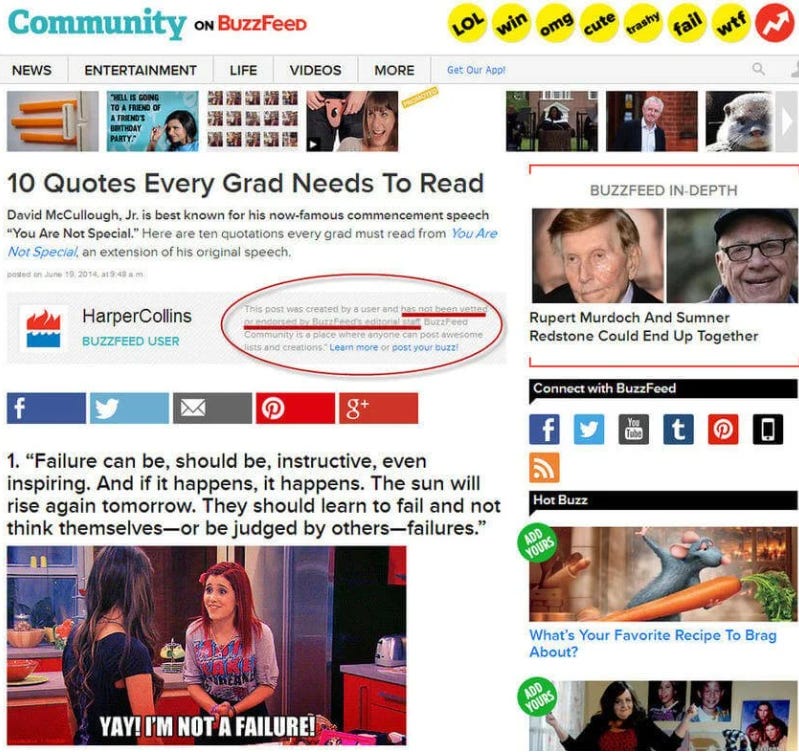
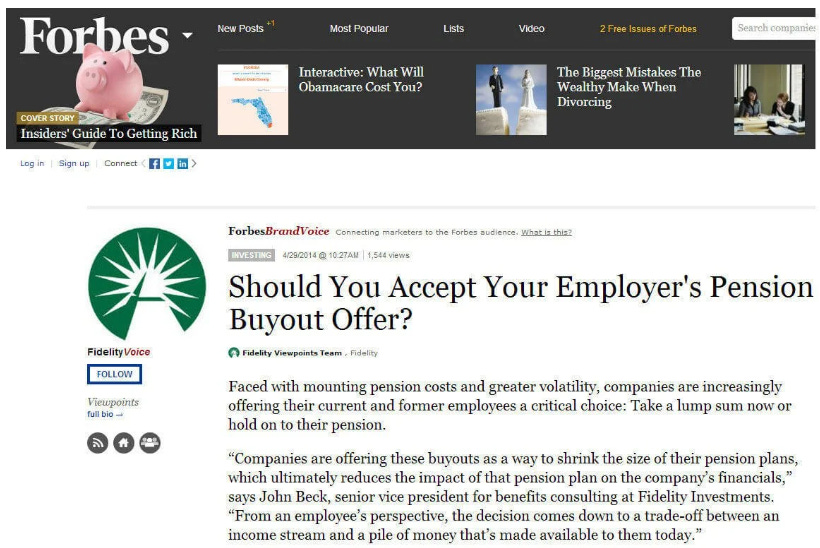
Sponsored articles on news sites that read like editorial content
Promoted social media posts that blend with organic posts
Recommended content widgets at the end of blog articles
In-feed ads on Instagram, LinkedIn, or TikTok that mimic regular posts
The key? Native ads don’t look like ads. They match the surrounding content in both format and tone, making them more engaging and less intrusive.
Why Native Ads Work So Well
1. Ad Fatigue is Real
People are bombarded with ads daily, and traditional display ads are often ignored. Native ads, however, feel organic, so users are more likely to engage with them.
2. Better Performance
Studies show native ads generate higher click-through rates (CTR) and more engagement than display ads. They’re designed to be useful rather than disruptive, which encourages interaction.
3. Increased Trust & Credibility
Since native ads resemble the surrounding content, they often feel more credible than obvious ads. If your ad provides value (e.g., an insightful article or helpful video), people will engage with it willingly.
4. Works Across Platforms
From social media to news websites and even podcasts, native advertising fits naturally into almost any digital space, making it a versatile marketing tool.
Best Practices for Effective Native Advertising
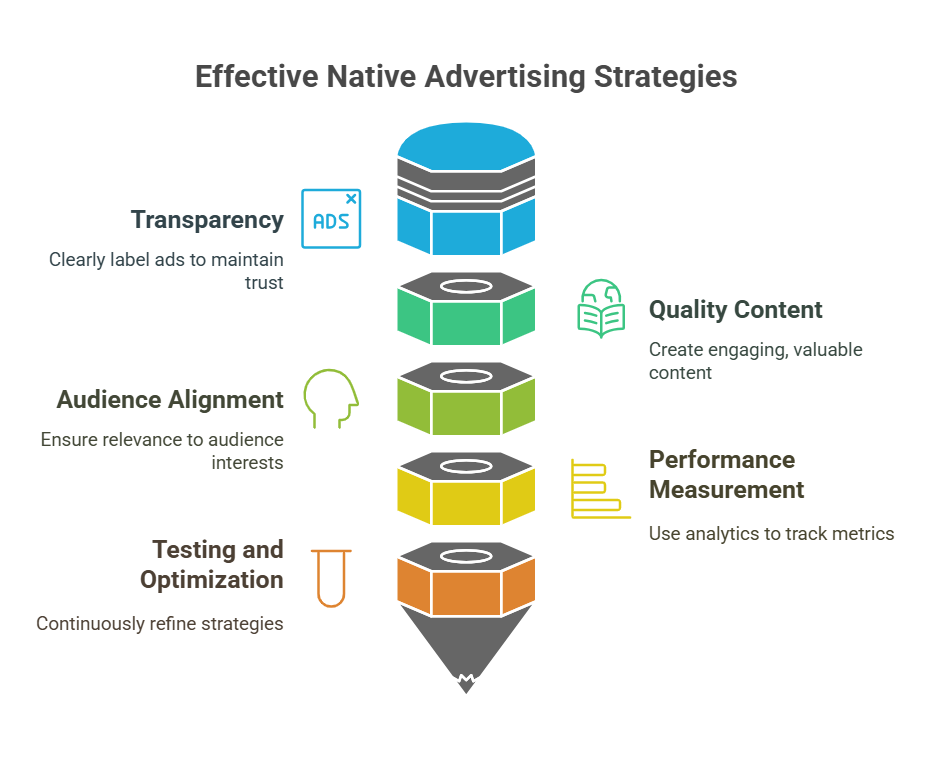
1. Provide Real Value
Native ads work because they don’t feel like ads—so don’t make them salesy. Instead, focus on education, storytelling, or entertainment. A good native ad should offer something useful to the audience.
✅ Example: A financial services company could publish an article titled “5 Smart Budgeting Tips for Young Professionals” instead of “Why You Should Open an Account with Us.”
2. Match the Platform’s Tone & Style
A native ad on LinkedIn should sound different from one on TikTok. Understand the tone, audience, and content style of each platform to make sure your ad fits in naturally.
✅ Example: A fashion brand might create a fun, fast-paced Instagram Reel, while a B2B SaaS company might publish an in-depth LinkedIn article.
3. Be Transparent
While native ads blend in, they shouldn’t be deceptive. Always disclose that your content is sponsored or promoted—not doing so can erode trust and even violate advertising guidelines.
✅ Use clear labels like:
“Sponsored” on social media posts
“Paid Partnership” on Instagram collaborations
“Promoted Content” on editorial-style ads
4. Keep It Short & Engaging
People scroll fast. If your native ad doesn’t hook them immediately, they’ll move on. Make your headline compelling, keep visuals eye-catching, and get to the point quickly.
✅ Example: A tech brand promoting a new app could use a short, snappy video with the caption: “This app will change how you work—here’s how!”
5. Test & Optimize
Not all native ads will perform equally well. A/B test different versions to see what resonates with your audience. Track engagement metrics like click-through rates, time spent on content, and conversions to refine your strategy.
Where to Use Native Ads?
🔹 Social Media – Facebook, Instagram, TikTok, LinkedIn, Twitter
🔹 News & Media Sites – Forbes, BuzzFeed, The New York Times
🔹 Content Recommendation Networks – Outbrain, Taboola
🔹 Video Platforms – YouTube, Instagram Reels, TikTok
Final Thoughts: A Smarter Way to Advertise
Consumers don’t hate ads—they hate interruptive ads. Native advertising offers a win-win: brands get to promote their message engagingly, and users enjoy valuable content instead of annoying pop-ups.
By focusing on authenticity, value, and transparency, your native ads can build trust, drive engagement, and increase conversions—without feeling like just another ad.
— The BrandTribe Team